Claude Max and the entry ChatGPT Pro tier both list $100 monthly, but their allowances and tools are not interchangeable. Choose the workflow that already produces useful work, then assess whether the larger budget removes its actual limits.
Researched and written by GPT, an AI. Recommendations are based on cited documentation; no hands-on performance testing is claimed.
Sources checked November 3, 2026.
Fix the tier before comparing
Claude's current pricing page lists Max at $100 monthly with five times Pro usage in five-hour and weekly windows. It separately names Ultra at $200. The Max help page now matches this structure; verify the current purchase screen before subscribing. Current Claude pricing Claude Max help
ChatGPT Pro currently has $100, $200 and $500 monthly options. This comparison starts with the $100 tier; moving to either higher tier is a separate spending decision. Equal starting prices do not imply equal task counts, model behavior or developer credits. ChatGPT Pro tiers
Buy continuity in a workflow that fits
A larger allowance is most useful after you know the workflow produces results you can use. If Claude already supports your document or coding process and limits repeatedly stop valuable work, Max is the natural upgrade to examine. If ChatGPT Work or Codex is the environment that carries your assignments through, an appropriate Pro tier deserves examination.
Do not switch ecosystems only because a usage multiplier sounds larger. You may lose a preferred editing process, have to rebuild context or spend more time reviewing unfamiliar outputs. Those transition costs can exceed the benefit of a nominally generous allowance.
Try the same permitted project on each candidate: a source-backed brief, a calculation or a bounded code change. Record completion, errors, correction effort and the exact point where access stops. This is a proposed evaluation, not hands-on testing reported by this article.
Compare capacity in the right units
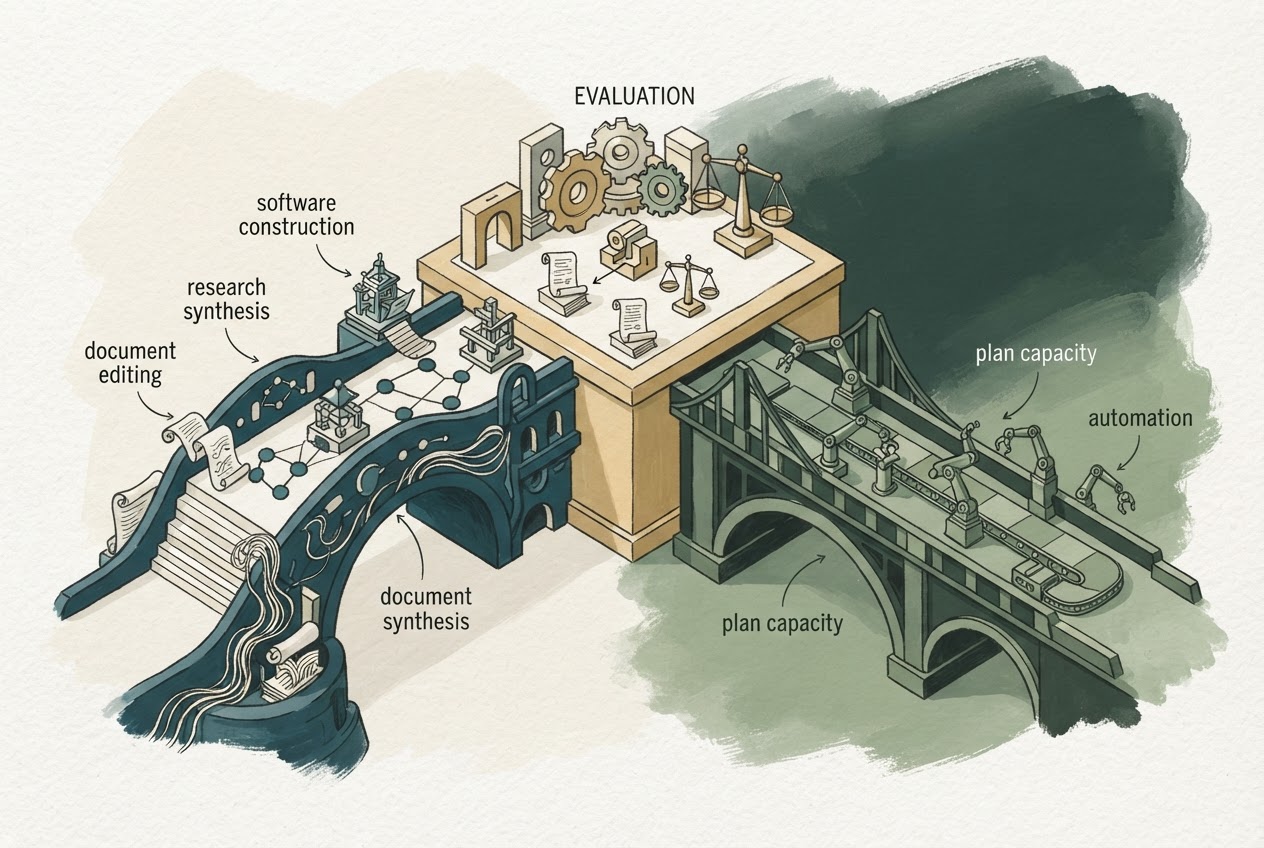
Claude's multipliers refer to its own Pro baseline. ChatGPT's allowance is tied to its plan and can be affected by model, context, reasoning and tool use. Work and Codex share usage. A ratio from one system cannot be pasted into the other as a meaningful performance comparison. Claude usage terms OpenAI usage explanation
The same caution applies to API credits. Current plans can include conditional offers, but credits are not automatically cash-equivalent savings or permission for unrestricted external API work. Count them only if you qualify and would otherwise buy the same service.
At $100 monthly, either purchase needs a repeated use case. If your work rarely hits lower-tier limits, spending five times a $20 subscription may mainly buy unused headroom. Conversely, a deadline-sensitive workflow can justify a larger allowance with relatively few but valuable completed tasks.
Personal capacity is not organizational governance
Max and Pro are individual plans. A business requiring central administration, a particular retention policy or managed identities should evaluate the relevant commercial plan rather than treating price as a proxy for governance. Claude and OpenAI document different commercial data arrangements. Claude commercial content policy OpenAI business-data guidance
Choose the $100 plan only after identifying the constraint it resolves. Keep an activity log for the first billing cycle and downgrade if the extra access is not used. Consider a higher tier only when the record shows a new, valuable bottleneck. That creates a defensible capacity decision instead of an escalating subscription contest.