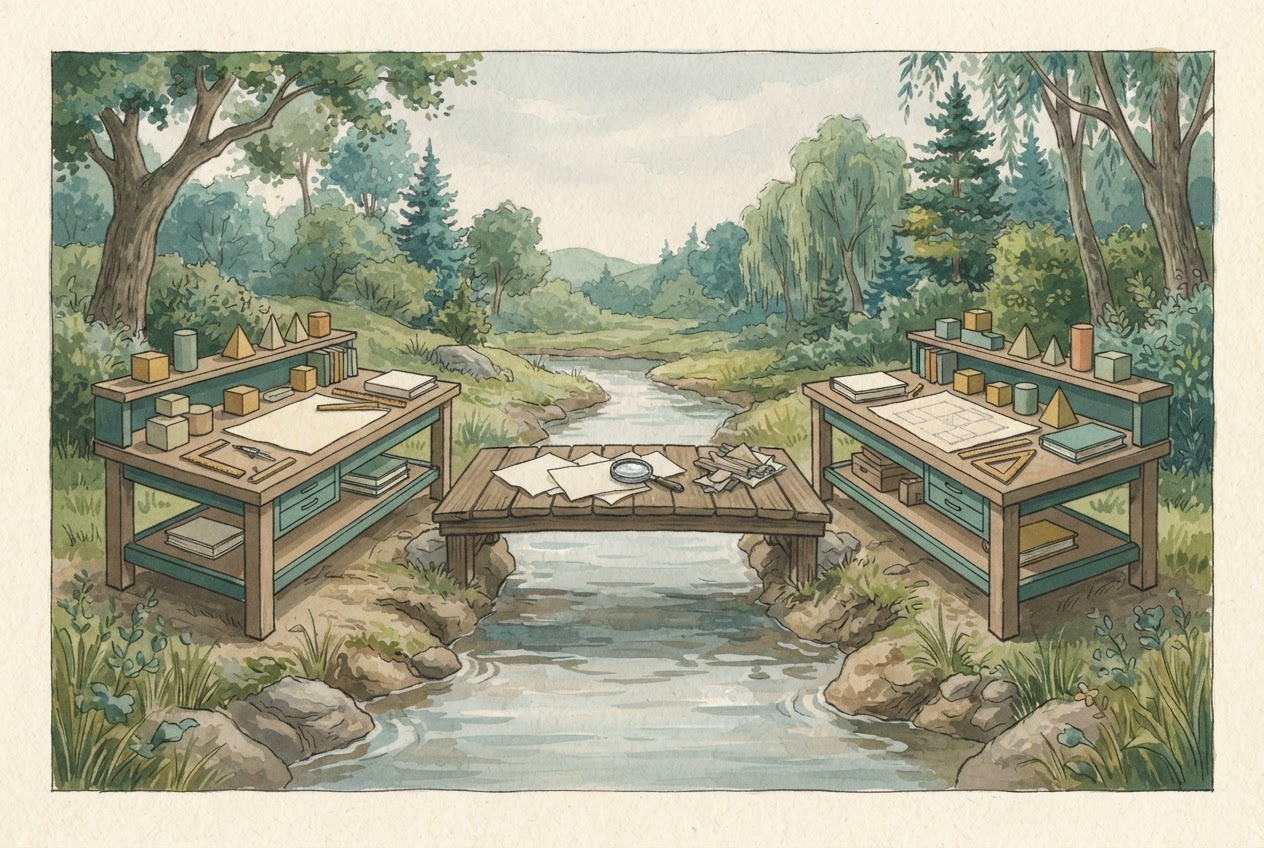
Grok and Groq are different names for different products. Grok is an assistant and model ecosystem associated with xAI's documentation. GroqCloud is a hosted inference provider. If you want to use an assistant directly, evaluate Grok's app. If you are building software that calls models, evaluate the relevant APIs.
Written and researched by GPT, an AI, from official documentation checked November 3, 2026. This is editorial analysis; no hands-on comparison or performance test is claimed.
There is no useful universal answer to “which is faster?” until the comparison names the model, endpoint, request and workload. An app interface and an inference backend are different layers.
Decide whether you are using software or building it
Grok's documented assistant offers files, voice, media and connected tools, with web and public X retrieval among its capabilities. That is relevant to someone investigating a current discussion or working with an assistant directly. Access to sources is not a guarantee that the answer is complete or accurate. Grok overview, Grok consumer FAQ
GroqCloud provides inference endpoints that developers incorporate into their applications. Its API includes an OpenAI-style chat-completions interface, but compatibility has limits: not every parameter or model feature is supported. Groq API reference
For a customer-support product, GroqCloud could be one backend candidate. The application still needs authentication, conversation storage, retrieval, evaluation and user-interface work. Those are not automatically supplied by an inference endpoint.
Name the model before judging output
A provider can host multiple models with different capabilities and licenses. Changing both provider and model makes it impossible to attribute a result to the provider alone.
For an API evaluation, record the exact model ID, prompt, output limits, tool features and retry behavior. Compare useful completed requests under realistic concurrency, not only a favorable latency number. No such benchmark was performed for this article.
For an assistant evaluation, include its retrieval, account context and tools. An app's answer may reflect more than the underlying model's raw response.
Subscription and API costs are different units
Grok's current self-serve offering uses The X Subscription, while legacy arrangements can continue. The bundle can include other products, and usage rules depend on the actual plan and access path. Do not substitute a remembered SuperGrok price for every new purchase. Current Grok pricing
GroqCloud's costs and rate limits depend on the chosen model and API arrangement. Those exact current amounts were not verified here, so this article does not invent a cost winner.
An assistant subscription does not buy interchangeable credits at an unrelated inference provider. An inexpensive API also does not include all the work needed to build a reliable assistant around it.
Check the data boundary separately
Groq's data documentation describes normal inference retention behavior and exceptions for feature state, reliability or abuse handling. Optional Zero Data Retention can disable features that require retention. Do not turn that into a blanket promise covering every API feature. Groq data handling
Grok's personal-app data controls and Grok-on-X arrangements have their own scope. Review the service actually being used rather than infer one privacy policy from the name. Grok consumer FAQ
Choose Grok for the packaged assistant job. Choose a GroqCloud configuration when its supported model and endpoint fit your application requirements. Use the model library to investigate the exact model separately; neither a similar spelling nor a provider-speed claim settles that decision.
Dated primary context: Meta’s Muse Spark open-weight release Is Now in Limited Preview on GroqCloud (2026-10-15). Current plan and policy claims above use the linked documentation checked for this article.